
Exploring the cultural nuances of gambling around the world
The Origins of Gambling in Different Cultures
The practice of gambling has deep historical roots that can be traced back to ancient civilizations. In China, for instance, gambling emerged as early as the Shang Dynasty, around 1600 to 1046 BCE. The use of dice and betting games were often linked to rituals and divination. Meanwhile, in Ancient Rome, gambling was common among soldiers and citizens, exemplifying the culture’s affinity for games of chance. The Romans embraced betting on chariot races and gladiatorial contests, further embedding gambling into their social fabric. Today, innovations like Betninja are reshaping how players experience casino games.

Throughout history, various cultures have developed unique forms of gambling that reflect their values and social structures. In India, for example, games like Pachisi have been played for centuries, often associated with festivals and community gatherings. This indicates that gambling can serve as a social lubricant, bringing people together in a shared experience. In contrast, in the Islamic world, where gambling is largely prohibited, underground betting systems still thrive, highlighting a complex relationship between morality and desire.
The evolution of gambling reveals not only its entertainment value but also its significance in societal norms. Cultures that embrace gambling often celebrate it as a rite of passage or a communal activity, while those that view it negatively may highlight the risks and moral implications involved. The contrast showcases how gambling is a reflection of cultural attitudes towards luck, skill, and risk-taking, emphasizing the complexities surrounding this global activity.
The Role of Luck vs. Skill in Gambling
When discussing gambling, the debate between luck and skill is pivotal. In games like poker, skill can dramatically affect the outcome, allowing experienced players to outmaneuver their opponents. Strategies such as bluffing, understanding probability, and emotional control can give skilled players an edge. This aspect of gambling has led to the popularity of poker tournaments worldwide, where skill and psychological insight play a crucial role in determining winners.
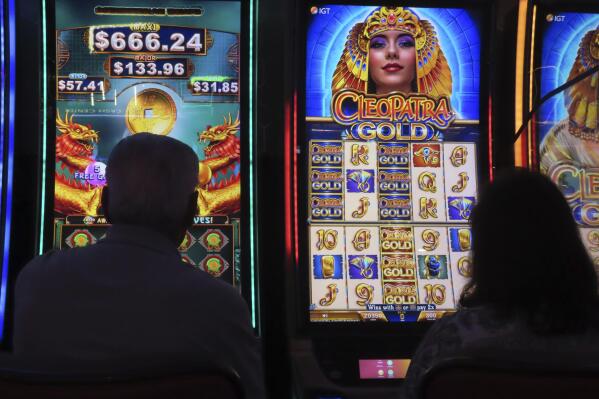
Conversely, games like roulette and slot machines primarily rely on chance. The results are entirely random, and while strategies may exist, they often do not guarantee success. This randomness appeals to many players who enjoy the thrill of potentially striking it rich with minimal effort. The contrast between skill-based and luck-based games enriches the gambling landscape, catering to various player preferences and experiences.
The differing roles of luck and skill also shape cultural attitudes toward gambling. In cultures that prize skill, players may engage with the game as a sport, celebrating strategic thinking and competition. In contrast, cultures that focus on luck may embrace a more relaxed and informal approach, viewing gambling as a fun pastime rather than a serious endeavor. This dichotomy impacts how gambling is perceived and practiced across the globe.
Cultural Perspectives on Gambling Behavior
Gambling behavior varies significantly across cultures, influenced by societal norms, legal frameworks, and economic conditions. In some countries, such as the United Kingdom, gambling is widely accepted and regulated, with various legal betting options available. This acceptance can create a vibrant gambling culture where people socialize in casinos, placing bets on sports events or enjoying games of chance without stigma.
In contrast, many Asian cultures exhibit more ambivalence toward gambling. In places like Singapore, gambling is legalized but heavily regulated, and there are ongoing discussions about its social implications. While some view it as a source of entertainment and tourism revenue, others are concerned about addiction and moral degradation. These perspectives lead to varying approaches to gambling, ranging from outright prohibition to extensive regulation and promotion.
The social context surrounding gambling also dictates its role in different cultures. In regions facing economic challenges, gambling may be perceived as an opportunity for financial improvement, attracting individuals hoping for a life-changing win. On the other hand, in affluent societies, gambling can be seen as a leisure activity, with less emphasis on financial gain and more on enjoyment and social interaction. These nuanced perspectives reveal how deeply interwoven gambling is with cultural identity and socioeconomic factors.
The Impact of Technology on Global Gambling Culture
The rise of technology has dramatically transformed the gambling landscape, creating new opportunities and challenges. Online casinos, mobile apps, and virtual reality experiences have democratized access to gambling, allowing people to engage from the comfort of their homes. This shift has opened doors for individuals who may not have previously participated in traditional gambling settings, further expanding the global gambling community.
Moreover, technology has facilitated the emergence of social gambling, where players engage with friends or family in virtual environments. This trend has been particularly prominent during global events like the COVID-19 pandemic, where social interactions were limited. Platforms that allow for multiplayer experiences and live streaming have made gambling more interactive and engaging, appealing to a broader audience.
However, this technological advancement has also raised concerns regarding gambling addiction and the impact on mental health. The ease of access to online gambling can exacerbate issues for vulnerable individuals. Consequently, many countries are reassessing their gambling laws to address these challenges while balancing the need for innovation and economic growth. This ongoing dialogue reflects the complexities of integrating technology within cultural frameworks surrounding gambling.
BetNinja: A Modern Online Casino Experience
BetNinja Casino represents the convergence of tradition and modern technology in the world of gambling. Catering primarily to Canadian players, it offers a diverse selection of games ranging from classic slots to immersive live dealer options. The platform’s user-friendly design ensures that players can navigate effortlessly, whether using a desktop or mobile device, which is crucial in today’s fast-paced environment.
In addition to providing an engaging array of games, BetNinja also emphasizes security and customer support, fundamental elements for any trustworthy online gaming platform. With secure payment options and responsive customer service, players can enjoy peace of mind while engaging in their favorite activities. This focus on safety and satisfaction exemplifies how modern casinos are evolving to meet the expectations of a contemporary audience.
Overall, BetNinja encapsulates the dynamic nature of the gambling industry. By combining technology with a commitment to player welfare, it provides an exciting yet responsible gaming environment. As gambling continues to evolve globally, platforms like BetNinja exemplify how cultural nuances and modern innovation can harmonize to create a compelling experience for players around the world.